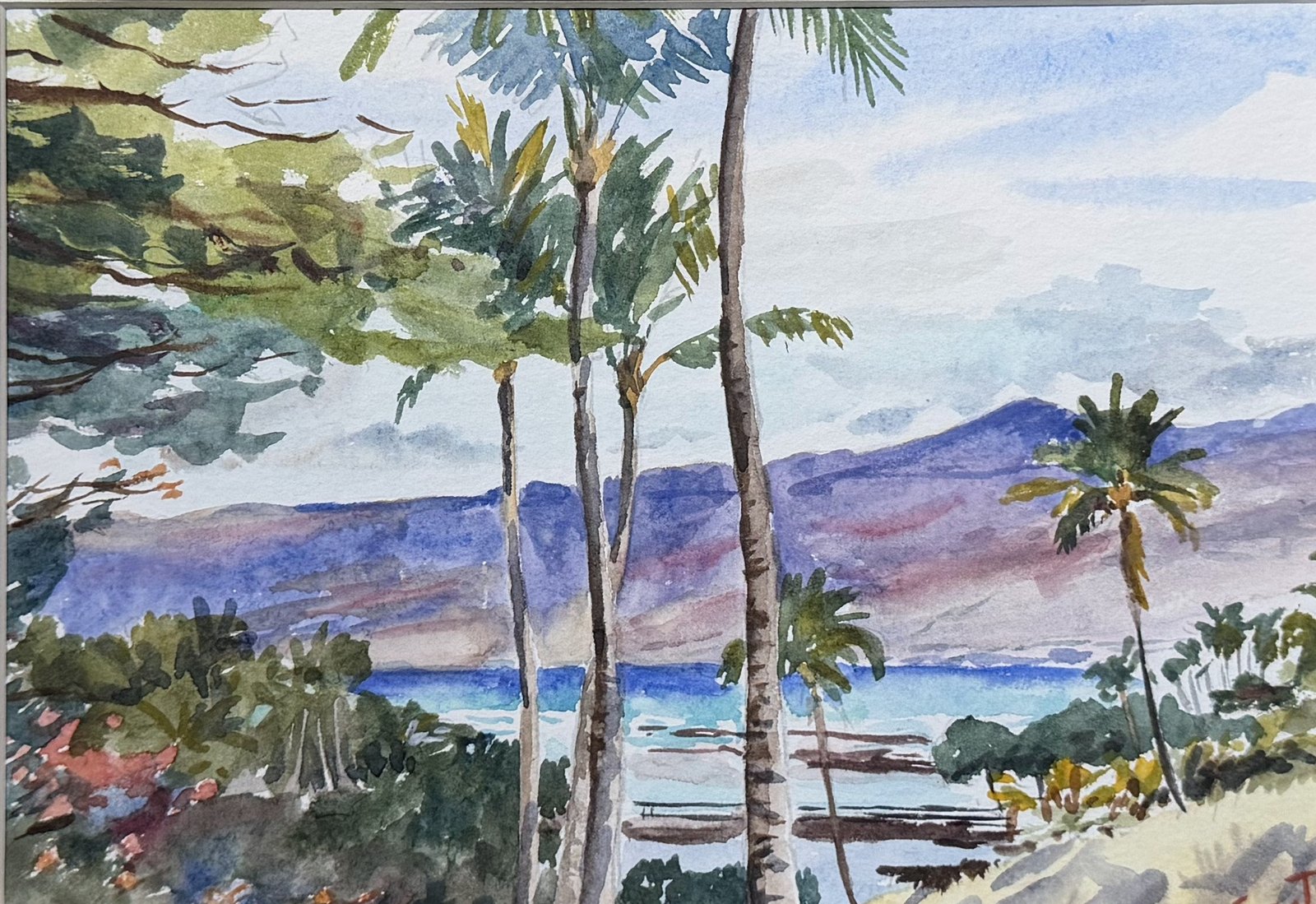
Overlooking Mauna Lani — watercolour on paper, framed
Volume I, No. 1
Every painting is an original — one of a kind, painted from life, signed, and framed ready to hang. The price is not negotiated. It is published in advance, it is the same for every work in the collection, and it moves in one direction only.
Most painters price by mood, by gallery, by who is asking. I price by a rule I publish, so that anyone buying a watercolour from me knows exactly what the next person will pay — and what they would have paid a year ago.
Each volume is ten new originals, and no more. When a volume closes it closes for good. No reprints, no editions, no reissues.
Every watercolour in the current volume carries the same published price, whatever its subject or size. There is nothing to haggle over.
Each volume is published above the one before, and the new price applies to unsold works from earlier volumes too. Nothing is ever marked down.
I undertake not to sell any watercolour, to anyone, for less than the published price standing on the day it is sold. No private discounts, ever.
| Volume | Opens | Works | Price per work |
|---|
The schedule above is generated from the rule, not set by hand.
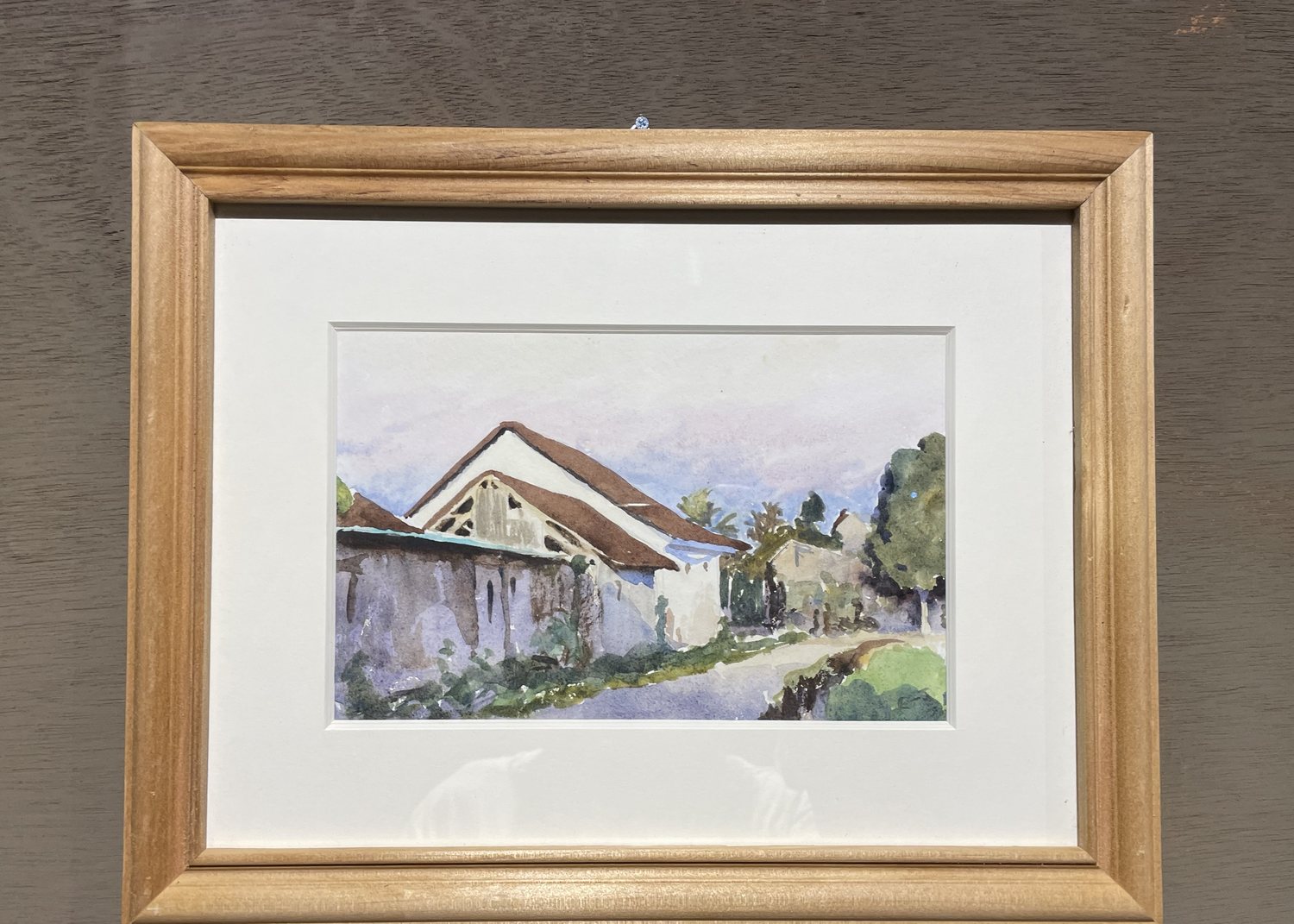
A watercolour is a fragile thing until it is behind glass. Rather than send you a sheet of paper and leave the rest to you, every work leaves the studio finished — moulding, mount, glass, hanging fixture — and the published price covers all of it.
Each watercolour carries a certificate number, and that number stays with it for good — printed on the certificate and on a code fixed to the back of the frame. Scan it and this register opens the painting's own entry. Works that have been acquired are not removed from this list; they stay, with the price they cleared at, so that anyone can see whether the rule on this page is real.
| Certificate | Work | Volume | Status | Price |
|---|
Works still in the collection show today's published price, which moves with the index. Acquired works show the price actually paid, which never changes.
The turning point was in Florence, on the bank of the Arno. Carl-Johann had made a sketch of the Ponte Vecchio that would not come right, and he threw it into the water. Standing there, he made himself a promise: I will not leave this place without knowing how to draw.
Painting is impossible without knowing how to draw.
Three years followed in a traditional Florentine atelier where improvisation had no place — drawing and painting from life, observing, constructing, refining. Only after the pencil was mastered did he permit himself the brush. Everything since has rested on that foundation.
His lineage is the one he chose for himself in the museums: Corot, that wonderful painter of the outdoors; Winslow Homer, the American master who blended discipline with freedom; Sosthène Weis, whose formats and moods shaped his early years. Having spent so much time with them in museums, I feel as though I know them. I understand what mattered to them.
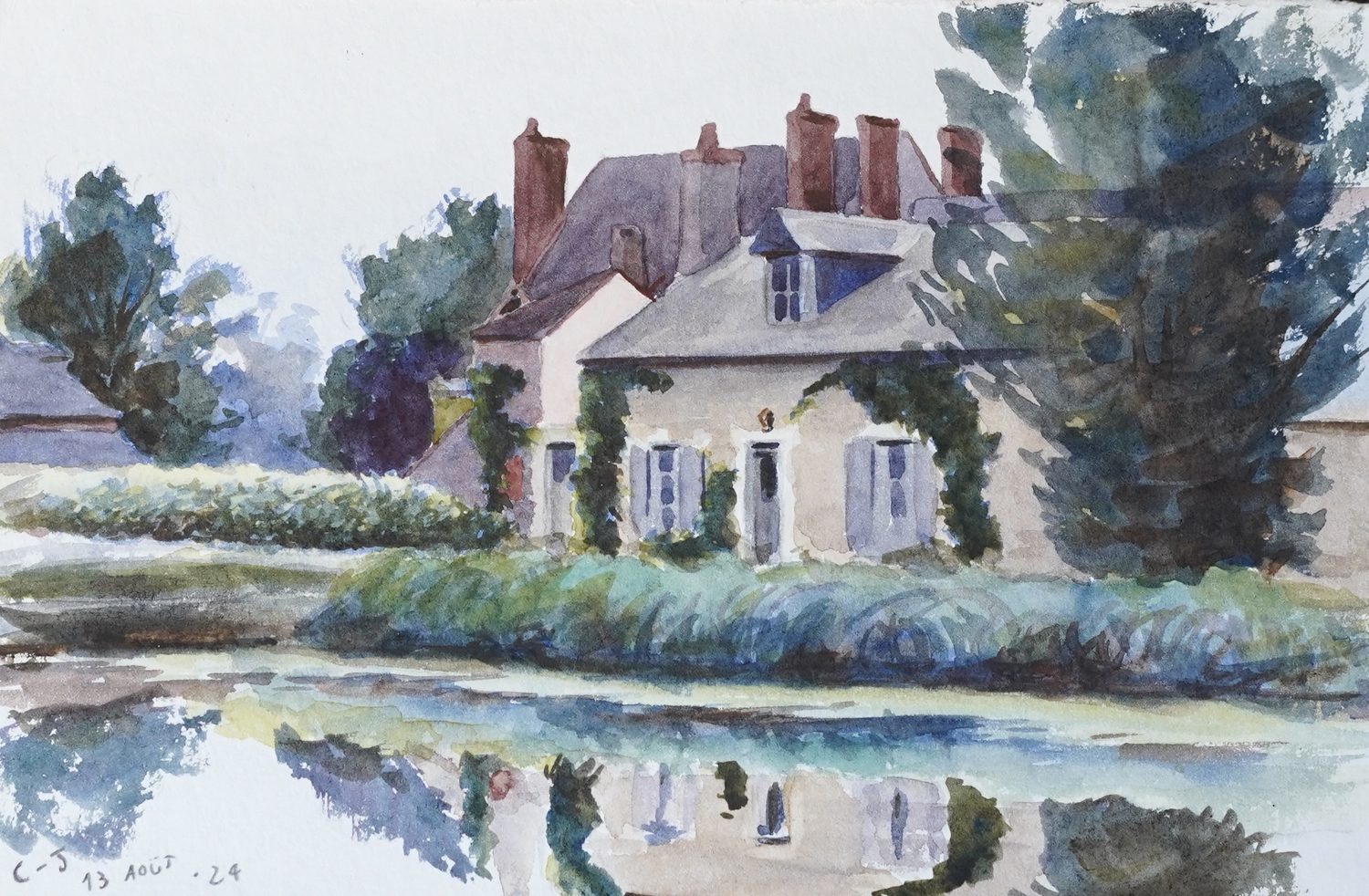
The watercolours are painted outdoors, in front of the thing itself — a ridge in the Alps, a lane in Normandy at first light, a courtyard in Alsace, a path through the palms in Bali. Each is finished on the spot, in one sitting, at the speed the light allows. That is the discipline the medium imposes, and the reason no two can ever be alike.
Prince Carl-Johann de Nassau
I cannot tell you what a watercolour of mine will be worth in twenty years. Nobody can tell you that about any painting, and anyone who does is selling you something other than art.
But there is something worth saying about timing, and it has nothing to do with money.
When Gustave Caillebotte bought his friends' paintings — more than seventy of them, by Cézanne, Degas, Manet, Monet, Pissarro, Renoir, Sisley — he was not investing. He was a painter buying from painters, keeping working men working. He willed the collection to France, and in 1897 a room was opened for it. When Victor Chocquet bought his first Cézannes at the Hôtel Drouot in 1875, the room was jeering at the canvases on the block. He went on to own around thirty of them.
Neither man could have told you what those pictures would be worth. They bought them because they liked them, and because they happened to be standing there while it was going on. That is the part that cannot be repeated — not the prices. The proximity.
Nobody can join that story now. It closed a century ago. But every collection that ever came to matter began the same way: with somebody buying a painting from a living artist, at a price that seemed ordinary at the time, because the painting moved them.
These watercolours are painted outdoors, in front of the thing itself, in one sitting, by someone who intends to go on painting for as long as his hands allow. The register records the order in which they were placed, and that order is never rewritten. Whoever is early stays early.
I cannot tell you this will be worth more. I can tell you that every painting which ever became valuable was bought by someone who liked it first.
Watercolour on cold-pressed archival paper, painted from life and signed by hand. There is exactly one of each, and there will never be another.
Framed in natural wood behind a deep white mount and glass, wired and ready to hang. The frame is included in the published price, never added to it.
A signed certificate of authenticity, and a code fixed to the back of the frame. Scan it and the painting's own entry in the register opens — title, volume, date of sale, price paid.
Shipping is free to any country, insured for the full purchase price, and packed for the glass to travel — corner-blocked, double-boxed, glass-taped.
Return it within fourteen days of delivery, undamaged and in its frame, for a full refund including return carriage. The work simply goes back into the collection.
Press Buy now under any work to pay securely by card, Apple Pay or Google Pay — it is then yours, and ships framed and insured, free, to your door. Or write to the artist by email or WhatsApp, and the work is held in your name for 48 hours while we arrange it together.