Painting from life on a riverbank in the Austrian Alps
From the studio films
Watercolours painted from life, in front of the thing itself.
Landscapes, towns and rooms, painted outdoors and on site by Carl‑Johann de Nassau. Ten framed originals are released at a time, at a published price that only ever rises.
Volume I · 10 framed originals · €1,200 each · free shipping worldwide
See the works for sale
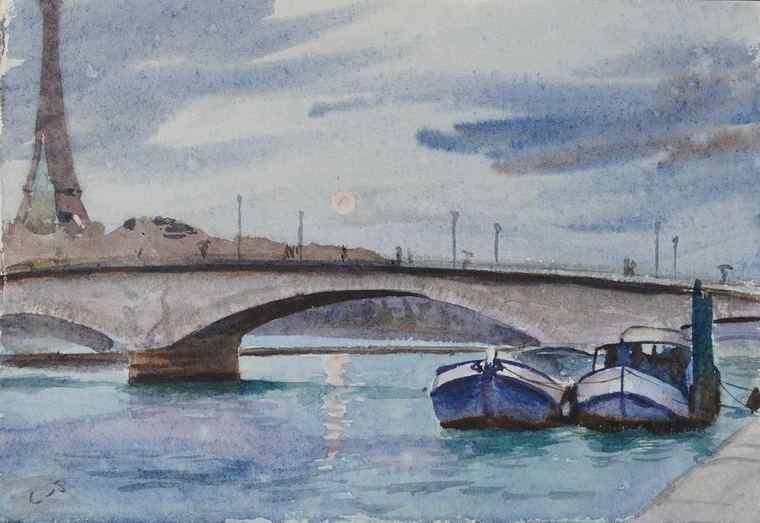 I — The gallery
Gallery
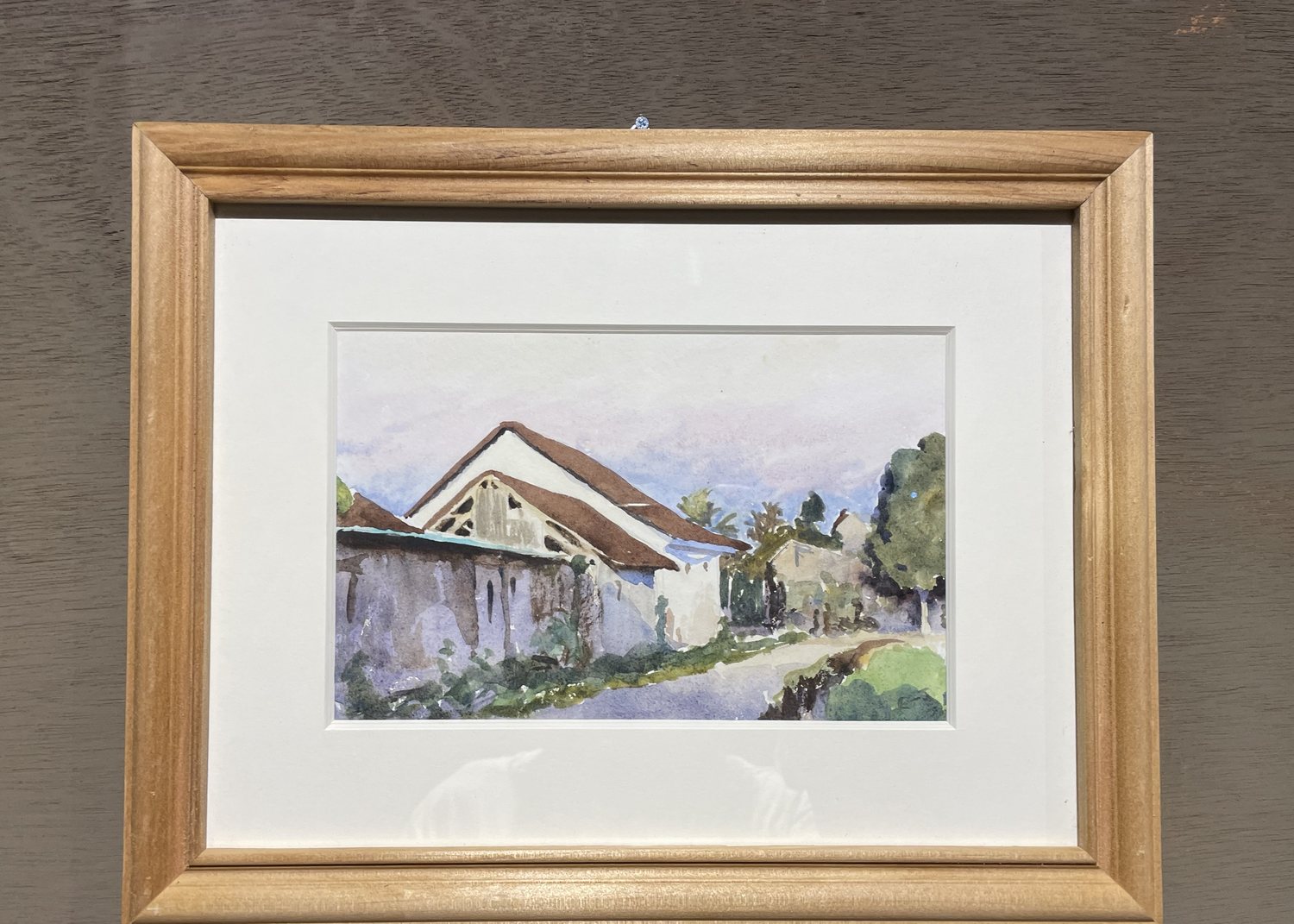
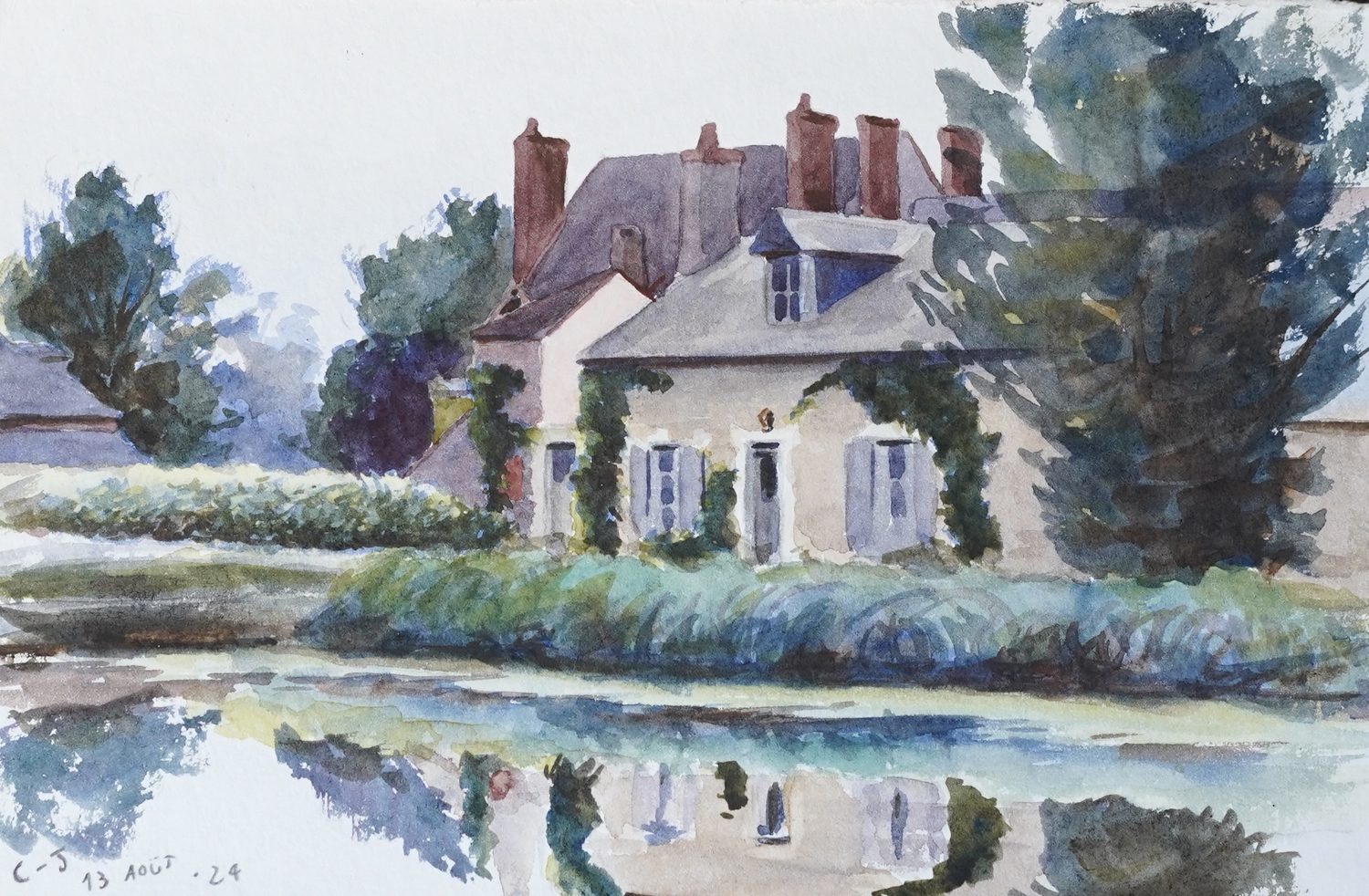
Landscapes, towns, gardens and figures from the studio, painted in France, Italy, Switzerland and Bali.
Enter the gallery →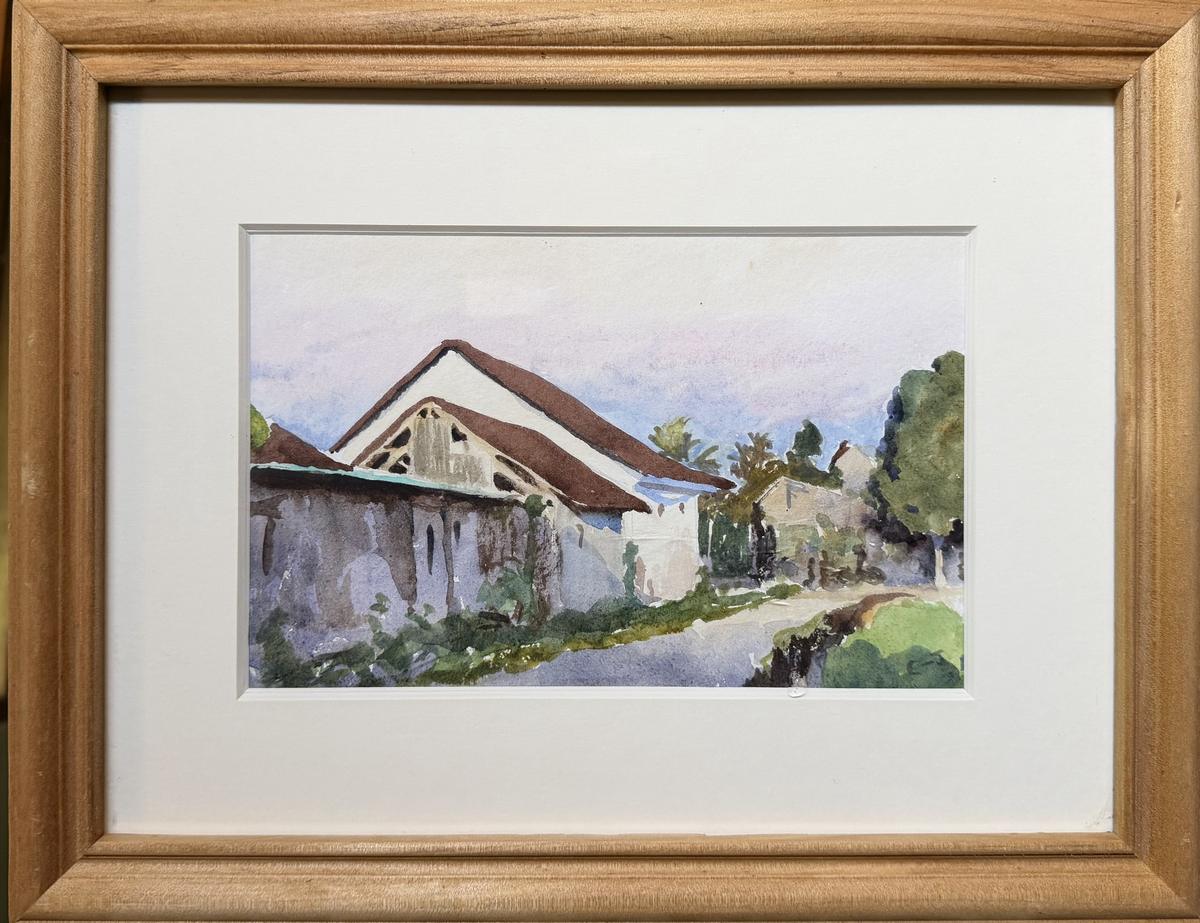 II — For sale
For sale
The current volume: ten framed originals at one published price, with free insured shipping worldwide.
See the ten works →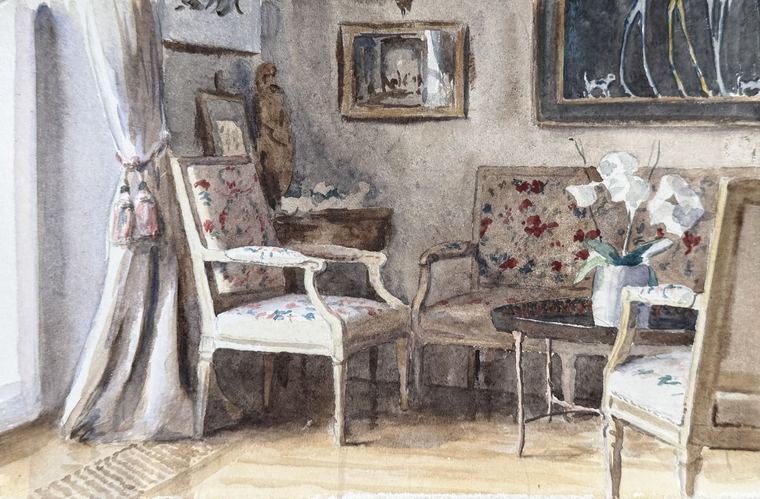 III — Interiors
Interiors
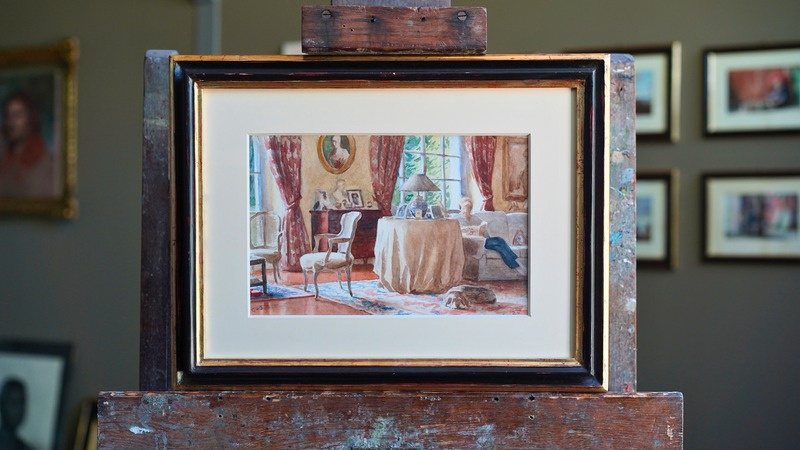
Rooms in watercolour, and commissions to paint your own home, from life, on site.
Interiors & commissions →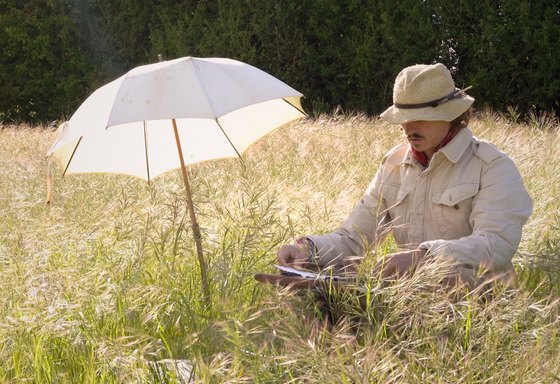 IV — The painter
About
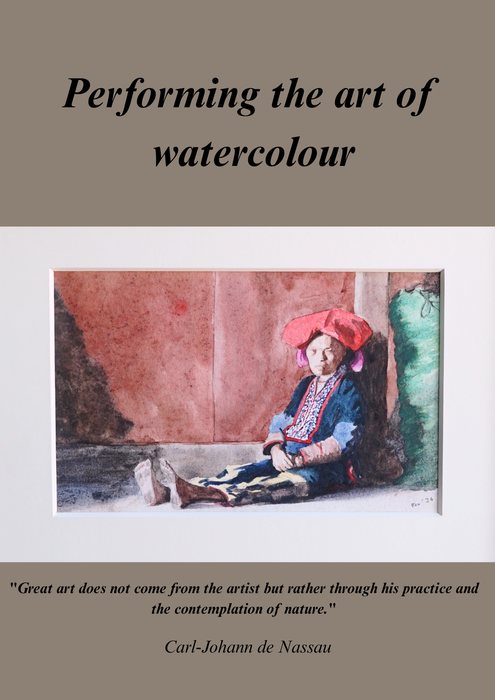
Born in Paris in 1992, trained in a Florentine atelier, painting from life ever since.
Meet the painter →